Walls
Introduction
By Joan Brook and Jim Houser, PhD
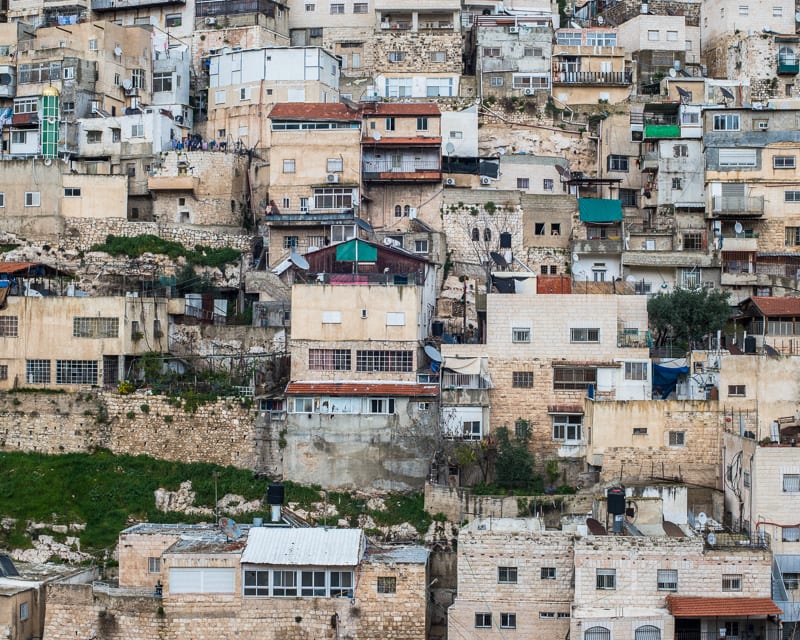
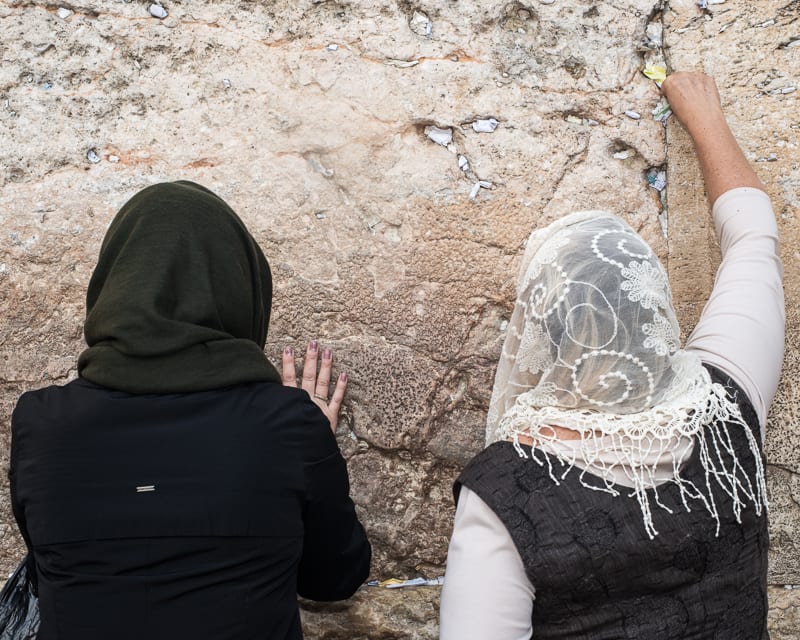
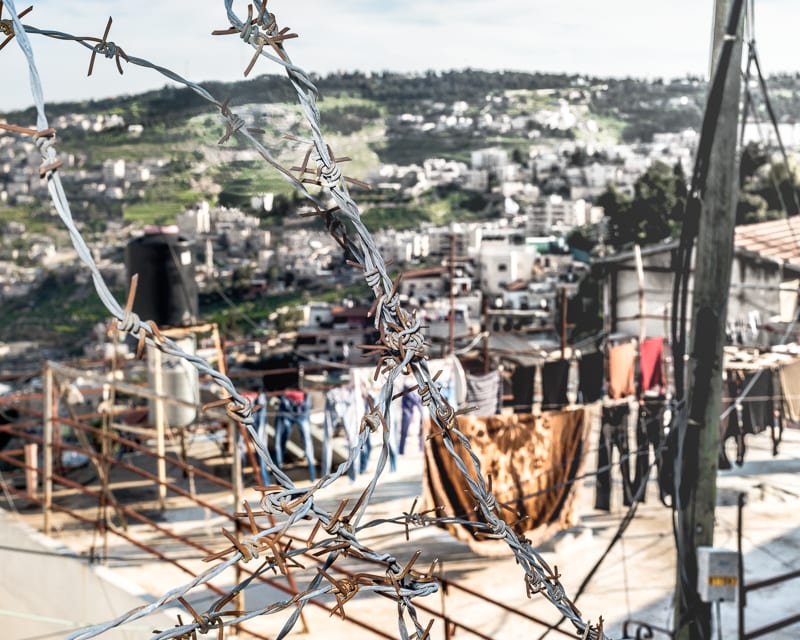
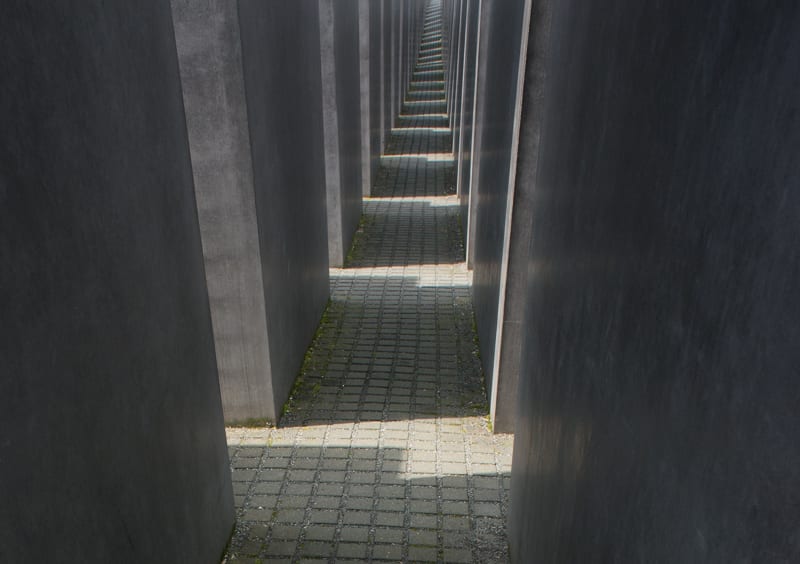
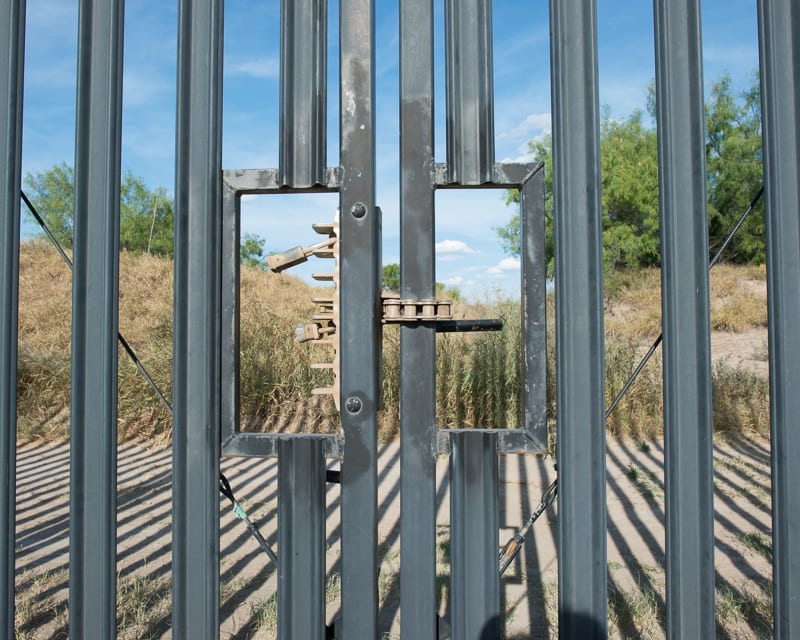
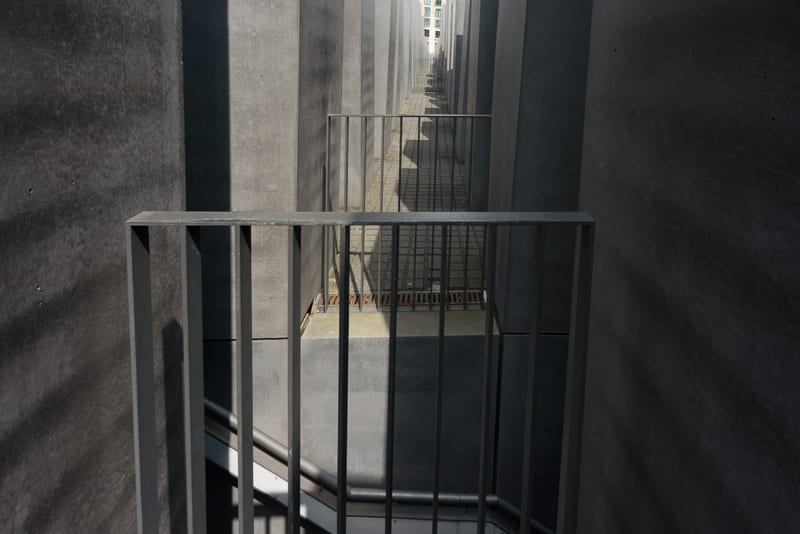
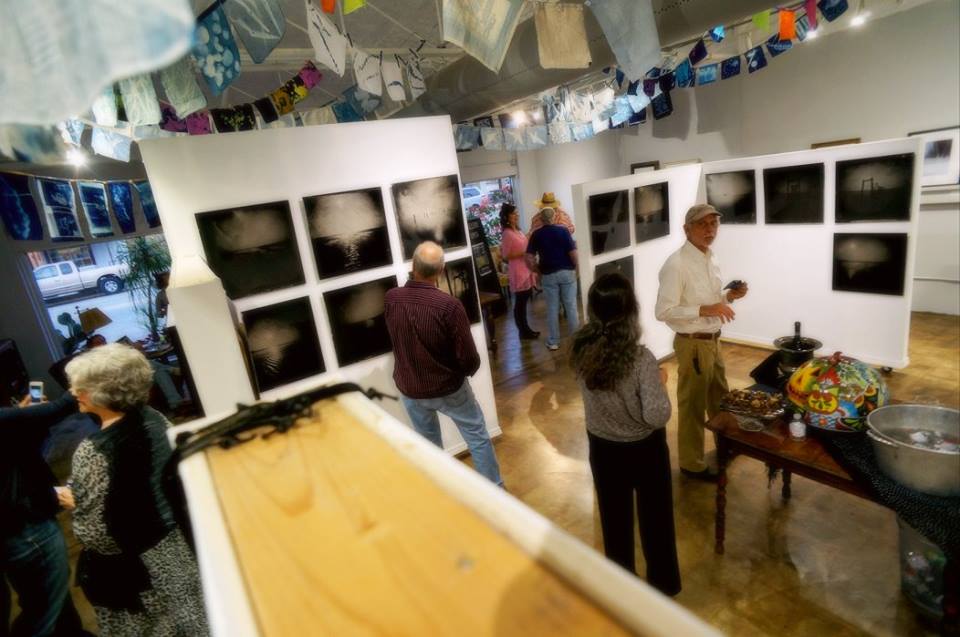
This is a joint technical and artistic study. Both of us approach walls differently, Jim, the technician, emphasizes function while Joan, the photographer, focuses more on artistic form. We sought out walls to provide a visual, contextual, and technical framework for the rise in separateness and division we see throughout the world. The photographs in this exhibit portray the progression of that study, beginning in Israel in 2015 with one of the oldest walls people are still fighting over, the Western or “Wailing” Wall of Jerusalem built in 19 BC. In Spring of 2017 we went to Berlin to document and study the famous wall that separated a city and symbolized the Cold War. And finally, in the stifling dusty heat of a Texas summer, we visited the Rio Grande and the border wall between Eagle Pass, USA and Piedras Negras, Mexico. In the future, our project will continue along the southern border of the US, studying existing and proposed wall sites, and we will return to Israel to study a wall that perhaps best exemplifies the intent of the US southern border wall, the West Bank Wall between the Occupied West Bank and Israel. Ultimately we will face and document the confrontational Green Line dividing East and West Jerusalem that, to us, symbolizes the rise of divisiveness in the world.
Walls
Why Walls?
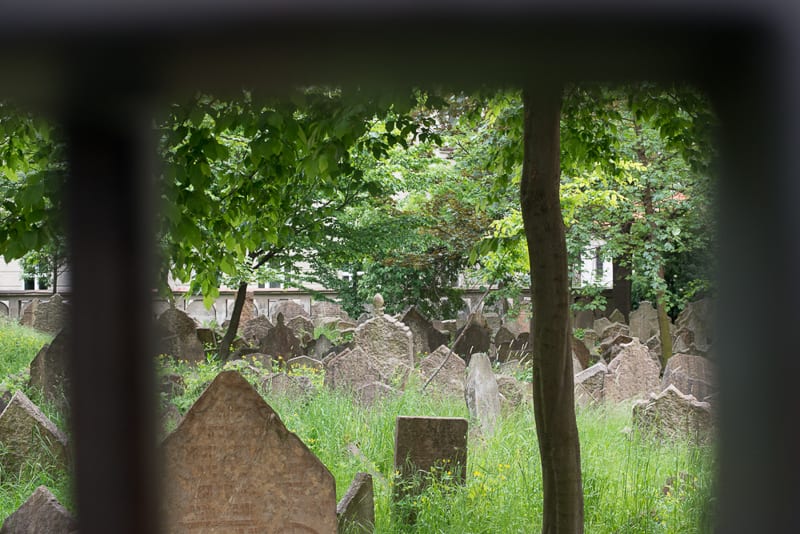
Joan: Before “Build the Wall!” became the current political rallying cry, I have been photographing walls. It’s difficult to ignore them. Walls, in both function and form, provide safety from the elements, quiet, privacy and seclusion. They also act as barriers, separating us from nature, other people, relationships, and interactions. With this isolation, come certain blessings as well as liabilities. I pursue stories exploring the secrets held within walls, discovering when they were built, and with what materials, because I’m passionate about the history of places and preserving that historical perspective. I seek to explore lines in the abstract, finding intersections and angles like a tangram puzzle. I also like photographing decay, because as materials age, they change. As things break down, growth can occur, either through adaptation, or complete destruction. In today’s political climate, and for this project, we chose to focus on walls as architectural portraiture, on their construction, maintenance, and need for reconstruction, on their surfaces for artistic revolution, and over time, in their fragility.
Jim: Why walls? Because, apparently, our country has committed to the massive infrastructure project of building a wall along the entire 1,954 mile border of Mexico. Our intentions were made clear when the presidential candidate who promoted this wall, and made its construction a central promise of his campaign, won the election. As a technologist, I am interested in the nature of that commitment. What will it take, technologically, to build such a wall, and what are the impacts and costs? These are essential questions to ask if someone wants to actually build an effective border security wall and not just an expensive symbol. In order to answer those questions, Joan and I have taken to studying and visiting contemporary border walls to better understand what it takes to make such a wall effective, and the effects those walls have. We have visited the Israeli West bank Wall, an existing border wall in Eagle Pass, Texas, and remnants of the old Berlin Wall. The pictures in this exhibit represent that journey, which has only just begun. There is so much to learn about walls.
Walls
What side are you on?
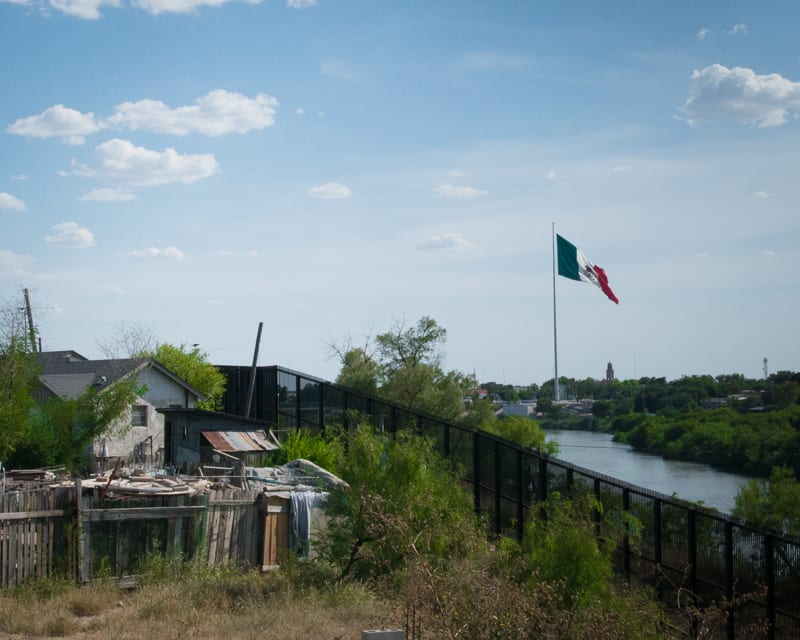
Joan: Borders don’t occur naturally in nature, unless they’re a coastline or shore. Animals don’t heed borders or understand the distinction. Only humans create borders, and thereby create sides. By addressing “which side are you on” we examined these borders, these skewed perspectives and obtuse indiscriminate slices in the landscape. Unfortunately, everywhere we visited, the function of these jarring cuts in the land was to sever one group from another, usually families. On the Mexican/U.S. border, it was often difficult to tell which country we were standing in. Only the flag gave it away.
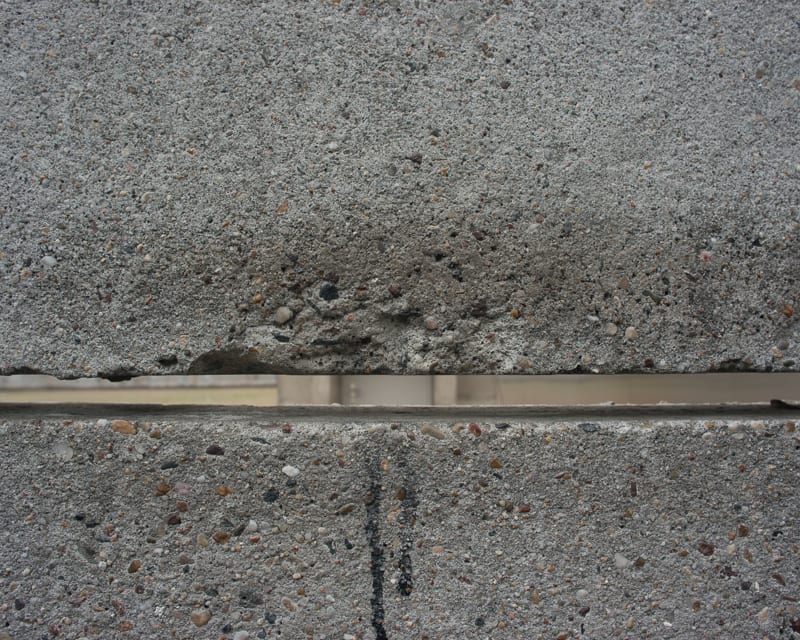
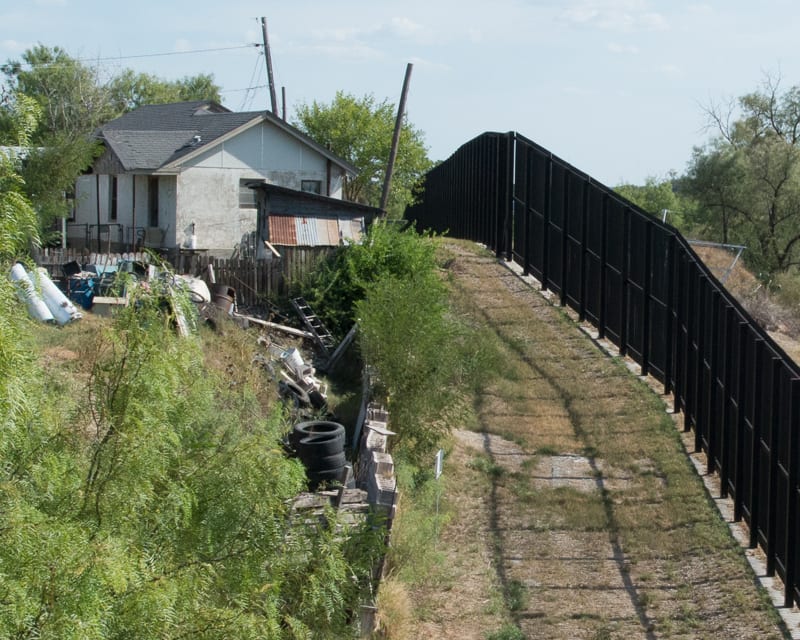
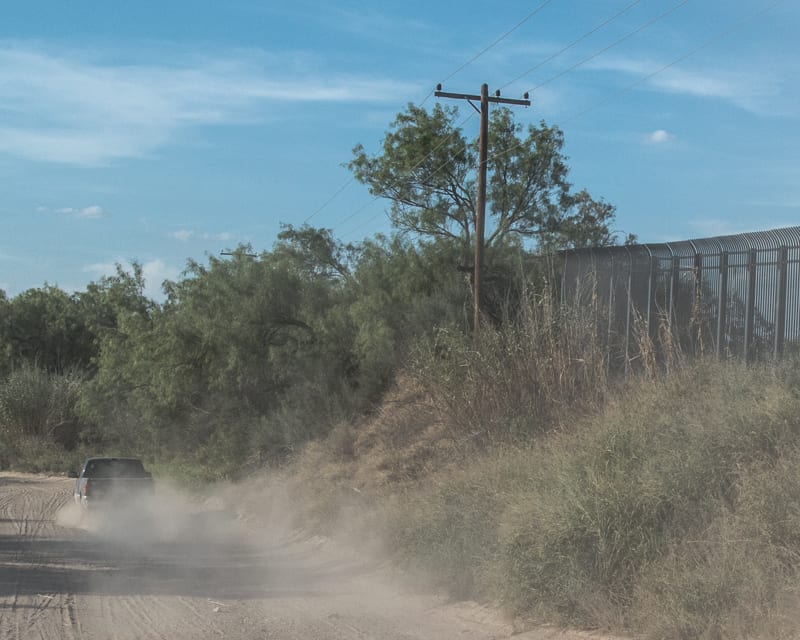
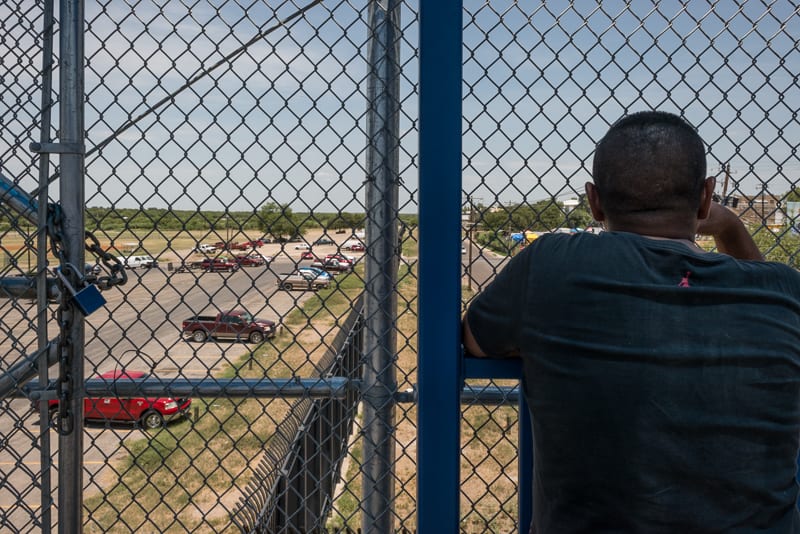
Jim: If one is to build a wall, it is important to know which side you are on, since one side may have a different function than the other. Contemporary border walls, like the Berlin Wall and the DMZ in Korea, include a patrolled buffer zone between two walls (the wall on the actual border and the wall that is the edge of the patrolled buffer zone), making orientation a particularly important design consideration in proper wall construction. For instance, along the U.S. border with Mexico, the wall on the actual border will be opaque so that people approaching from the Mexican side will not be able to see in, and the wall on the edge of the buffer zone will be transparent, so that U.S. border agents can easily see into the buffer zone. However, we found, in our attempt to document and study these walls, that photographs by their very nature create a framed perspective that often makes proper orientation difficult. For instance, in the specific case of the U.S. border wall, it is sometimes difficult to know, just from the visual cues of a photograph, which side of the wall you are on. Looking through a wall from the U.S. side you might assume you are seeing across into Mexico, when actually you are looking into the U.S. buffer zone. In Eagle Pass, Texas, you could be looking through the border wall and see a Latino family playing putt-putt, and assume you are looking at Mexicans enjoying a nice evening, but you would be wrong! A strange anomaly created by the border wall in Eagle Pass, is a nine-hole golf course completely fenced in by the buffer zone. If you want to play golf you have to go through one of the border wall gates (and hope they don’t close behind you). Nevertheless, among all this confusion, there is a defining point of orientation in Eagle Pass, the Rio Grande. If you are looking through a wall to the Rio Grande, it is probably safe to assume you are looking from the U.S. side, since the U.S. can only build the wall on its own territory. Without the river, however, the landscape and housing is essentially indistinguishable from one side of the border to the other. If the photograph is just the wall in a landscape, it is almost impossible to know where you stand.
Walls
What is the Promised Land?
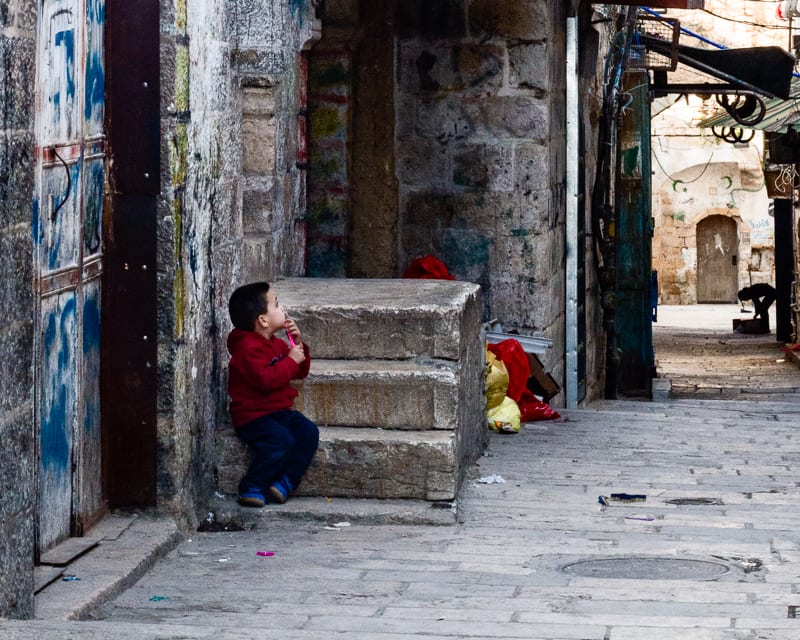
Joan: History, literature and theater engulf us with stories about claims to land, land wars and staked property. What is it about one’s homeland that tugs at us and draws us to return, to protect, to die for? “Where are you from?” is the most standard greeting among us. This land then gives us our identity, ancient and modern culture, heritage, and traditions. Most of us don’t leave our home country without a good reason, and yet, thousands of people cross borders every day, willing to sacrifice everything to call a new country home. We limit their numbers with quotas, detain them, criminalize them, imprison them, separate children from their parents and women from the men, threaten them with deportation and discriminate against them.
And still they come. Evidently, the US represents freedom, equality, and opportunity to the rest of the world. What more can we do to convince them they’re wrong?
Jim: It is assumed that Mexican’s see the U.S. as the Promised Land which they hope to enter. A land of milk and money. Or certainly that is how those in the U.S. perceive it, hence the need for a wall to prevent “others” from entering the land that is promised to them alone. A nation does not fulfill its promise to its own citizens if non-citizens are allowed to enter and reap the benefits of the Promised Land. In this way the wall we are contemplating is fundamentally different from the walls built in Berlin and along the DMZ. Both those walls were ostensibly built to keep their own people from reaching the Promised Land, but, at the same time, designed to protect the isolated utopia of the Promised Land they hoped to create. The U.S., conversely, is trying to keep people out. How does that different purpose effect the promise of a wall? Does it ensure the protection of the Promised Land, or alter it in some way we might not even understand? As we contemplate this massive infrastructure project, what is its promise for our future?